
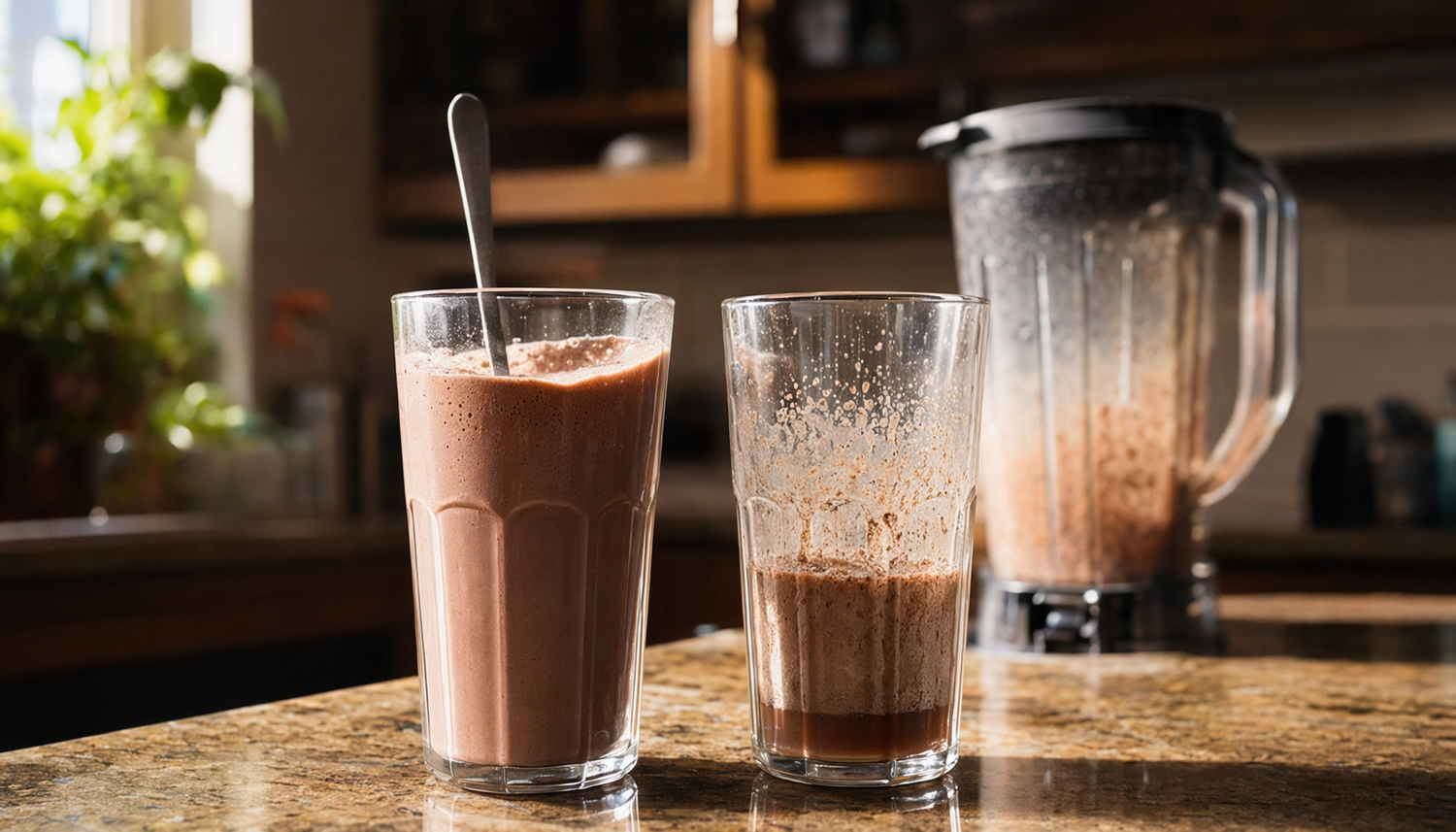
The wrong ice can turn a protein shake thin, foamy, or oddly flavored long before you finish blending. Ice shape, density, freshness, and storage all affect texture, dilution, and taste.
You notice it fast: one shake comes out thick and cold, while the next tastes watery and smells faintly like the freezer. The difference is often not the protein powder at all, but the ice source, the ice shape, and how that ice was stored. This guide breaks down which ice works better for shakes, when portable and home ice makers change the result, and how to keep blended drinks tasting clean.
Why the Wrong Ice Changes a Protein Shake So Much

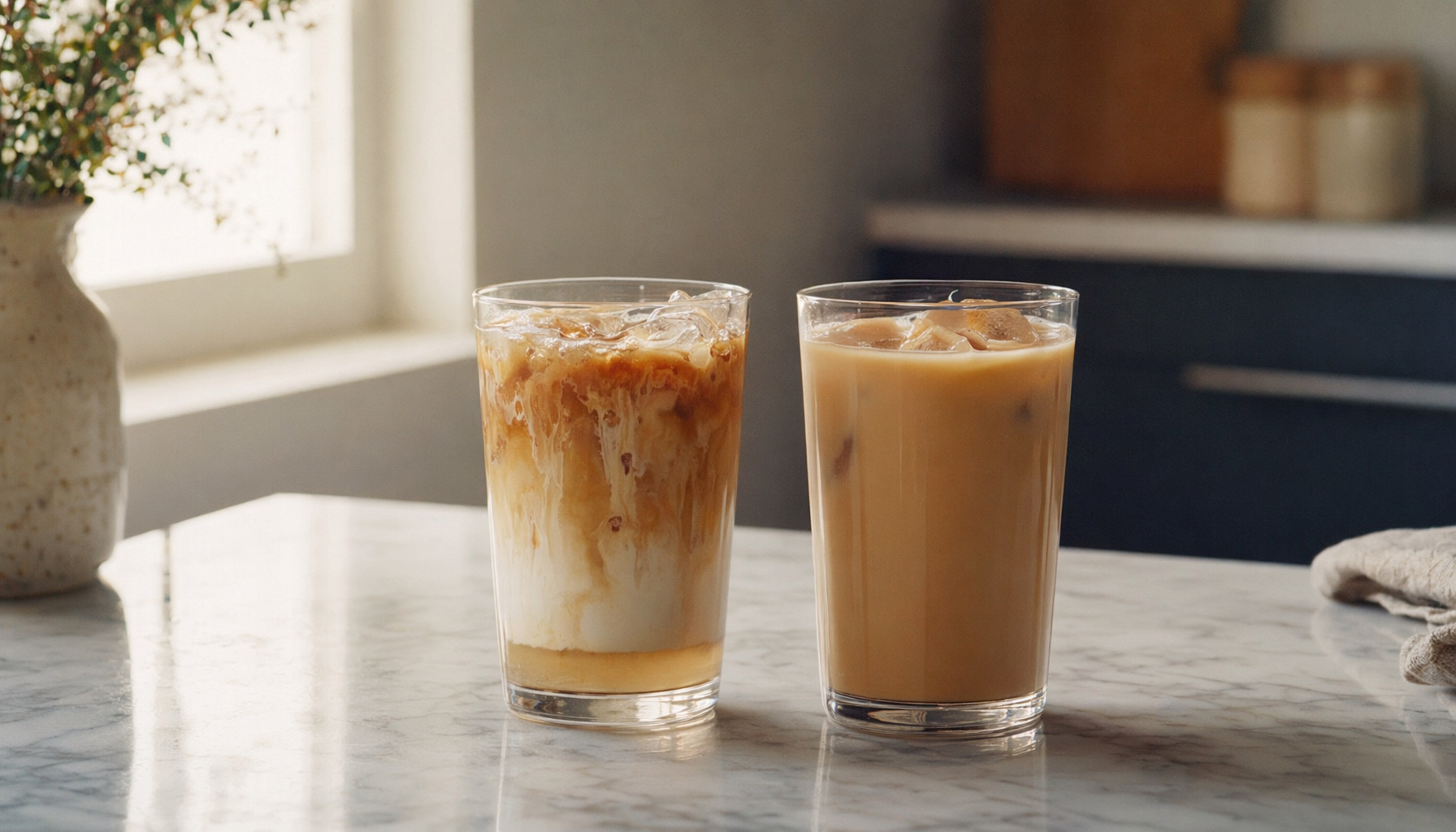
Protein shakes are more sensitive to ice than many people expect because they are built around texture. A cold brew, soda, or spirit-forward drink can tolerate some dilution if the flavor stays balanced, but a shake depends on body. When the ice melts too quickly during blending, the drink loses thickness and can separate faster.
Ice density is the first big variable. Softer, lighter ice tends to break down quickly and add water early in the blend, which can make a shake foamy or loose. Denser cubes usually chill more slowly and give the blender more time to break powder and milk together before the drink gets watered down. In practical use, that means hollow or softer countertop ice can work fine when you want a fast, cold drink, but it is less forgiving when your goal is a thicker, milkshake-like texture.
The second variable is drink purpose. For cocktails and spirits, slower-melting ice is often preferred because it protects flavor and controls dilution over time. For soft drinks, quick-chilling ice can be perfectly acceptable. Protein shakes sit closer to the “texture first” side of that spectrum, so the wrong ice behaves less like a minor serving choice and more like a recipe change.
Which Ice Types Usually Work Best for Shakes

Dense cubes for thicker blends
Dense cube-style ice is usually the easiest choice when you want a shake to stay thick. Full cubes or clear, hard cubes melt more slowly, so they chill the liquid without flooding it as fast with extra water. This is the same basic reason slow-melting cubes are favored for premium spirits and presentation-focused drinks: they help control dilution rather than forcing it.
That does not mean every shake needs the hardest ice possible. If your blender is smaller, less powerful, or used in an apartment, RV, or hotel setup, very hard cubes can be louder and slower to process. In that case, using fewer dense cubes or letting them temper briefly can give you a smoother blend without pushing the drink too thin.
Softer ice for faster blending
Softer ice styles can be useful when convenience matters more than maximum thickness. Ice that blends quickly often works well in cafes and high-volume beverage service because it speeds prep and reduces strain on the machine. For a quick breakfast shake at home, that same trait can be helpful, especially if you want a lighter texture.
The trade-off is simple: faster-blending ice usually creates dilution faster. That may be fine for coffee drinks or blended soft drinks where extra melt softens bitterness or sweetness, but with protein shakes it can flatten flavor and make the finish seem chalkier because the powder is now floating in a thinner base.
Nugget-style and chewable ice
Nugget-style ice sits in the middle. It is easy to chew, easy to blend, and popular for cold beverages that benefit from fast chilling. In protein shakes, it can produce a smooth, cold result, but it also tends to add water earlier than dense cubes do. If you like thinner shakes, that can be an advantage. If you want a thick post-workout shake that holds texture for more than a few minutes, it is usually not the best match.
A useful rule is to match ice to the drink the way you would for other beverages. Slow-melting ice supports spirits, presentation, and dilution control. Fast-breaking ice supports speed, softer texture, and casual cold drinks. Protein shakes usually reward the first approach more than the second.
Is Portable Ice Maker Ice Worse Than Freezer or Commercial Ice?

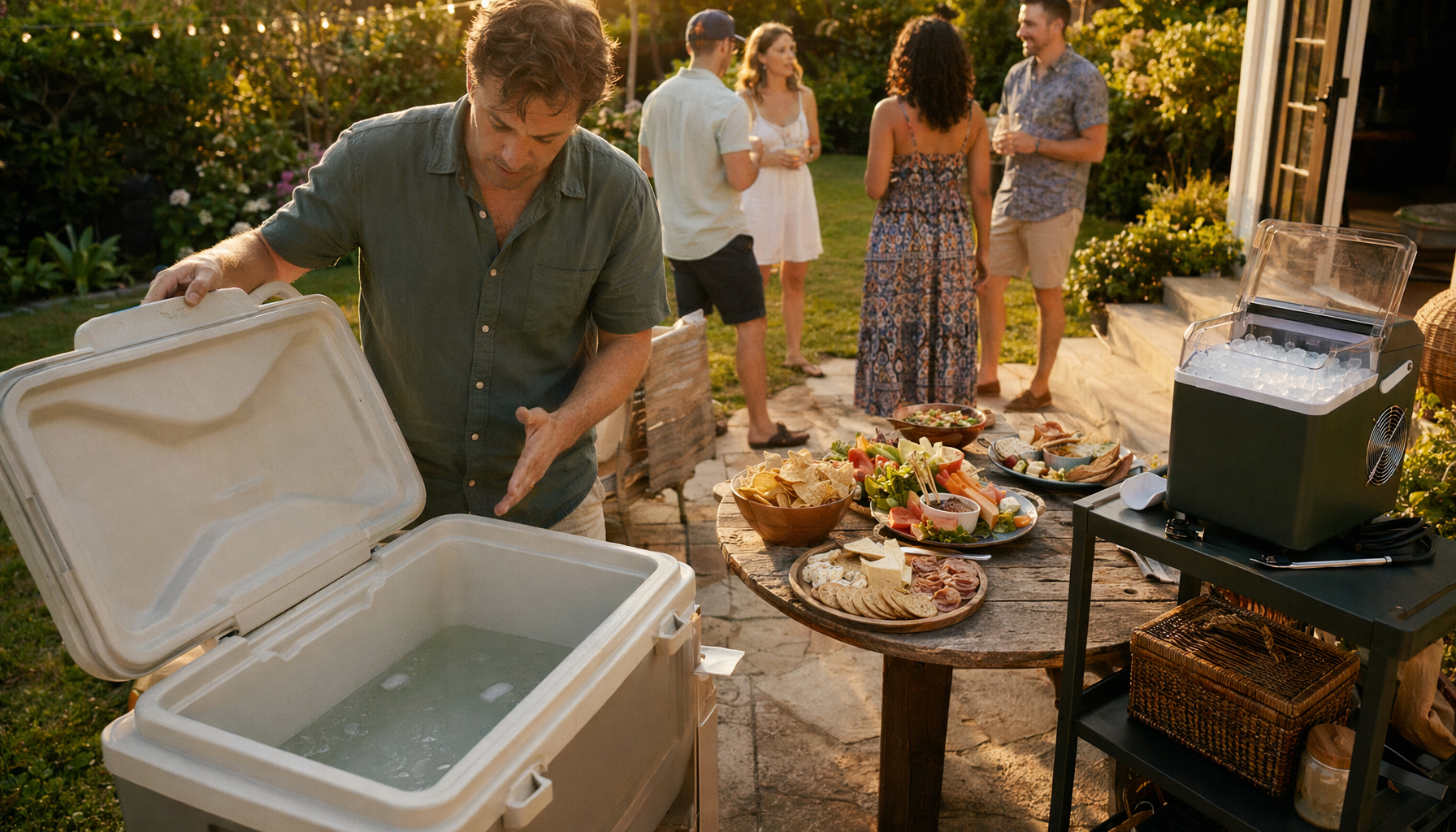
Portable ice maker ice is not automatically worse, but it often behaves differently. Many countertop and portable machines produce ice that is ready quickly and convenient for home, travel, office, or RV use. That convenience matters, especially when you want fresh ice without waiting for freezer trays. The drawback is that some portable ice shapes are lighter or less dense than freezer-stored cubes, so they can melt faster during blending.
That is why two shakes made with the same powder and milk can feel completely different. A freezer cube that has hardened overnight often gives better dilution control than fresh, softer ice that was just dropped into the basket. In a home kitchen, that may be enough to decide whether the shake feels rich or watered down.
Commercial machines add another variable: consistency. In a gym cafe, juice bar, or light-business setting, consistent cube size helps staff get repeatable texture from drink to drink. That matters not only for shakes, but also for iced coffee, fountain drinks, and simple mixed beverages where customers notice presentation and flavor balance. If the machine produces the same style reliably, it is easier to tune recipes around it.
Freshness and Storage Matter as Much as Ice Shape

Ice that touches food or is consumed directly must be made from drinking water, so the quality of the water and the way the ice is handled directly affect taste. If your protein shake has a stale, freezer-like, or “machine” note, the issue may be storage rather than the powder itself. Ice absorbs surrounding odors easily, especially when it sits near uncovered foods, strong leftovers, or poorly maintained bins.
Freezing does not reliably kill microorganisms and can preserve them, which is why old assumptions about “ice being safe because it is frozen” are not very useful. For home use, that means an ice basket, scoop, freezer bin, or cooler still needs routine cleaning and sensible handling. For light-business use, it means beverage prep standards matter just as much for ice as they do for syrups, cups, and blender jars.
Storage also affects texture. Ice that sits exposed in a freezer can pick up frost and surface moisture, which makes pieces stick together and blend less evenly. In a car refrigerator or compact beverage cooler, limited airflow and frequent opening can also shift ice condition. If you are traveling with shake ingredients, it helps to keep the ice in a clean, sealed container and separate it from foods with strong odors.
How Appliance Setup Affects Texture, Taste, and Dilution

Home kitchens and countertop ice makers
In a home kitchen, the most practical approach is usually to match the appliance to the drink routine. If you make shakes occasionally and mostly use ice for soft drinks or casual entertaining, a portable ice maker can still be a good fit. Just expect a lighter result unless you adjust the recipe by using less liquid or fewer pieces of ice.
If protein shakes are a daily habit, freezer-hardened cubes or a machine that produces firmer ice often give more repeatable texture. That matters even more if you also make iced coffee or spirit-forward drinks at home, where presentation and dilution control are noticeable from the first sip.
Travel, RV, and car refrigerator use
Travel setups make the trade-offs more obvious. A car refrigerator or compact cooler is useful for keeping milk, ready-to-drink shakes, and blender bottles cold, but space is limited and temperature recovery can be slower than in a full kitchen. In that setting, softer ice is convenient because it is easy to use quickly, yet it may melt too fast if the shake is blended and then carried for a while.
For road trips, work trucks, or weekend sports events, it often makes more sense to chill the base ingredients well in advance and use less ice overall. That preserves texture better than relying on a large amount of fast-melting ice right before drinking.
Light-business beverage service
For cafes, hotel breakfast bars, and small fitness counters, consistency is the main concern. Food equipment standards cover automatic ice making equipment used to make, store, dispense, package, and transport ice for human consumption. That matters because ice equipment in these settings is not just about output; it is about cleanable design, repeatable production, and dependable use across coffee, cocktails, soft drinks, and blended beverages.
In practice, a light-business setup should choose ice with the menu in mind. Dense cubes fit drinks where dilution control and presentation matter. Faster-blending ice may fit smoothies, frozen coffee drinks, or quick-service shakes. One machine can serve several jobs, but the best fit depends on whether the priority is speed, texture, or holding quality in the finished drink.
How to Prevent Watery, Foamy, or Off-Tasting Shakes

Start by matching the ice to the result you actually want. If you prefer a thick shake, choose denser cubes and reduce the total liquid slightly. If you like a lighter shake that blends fast, softer ice can work, but keep the portion smaller so the drink does not thin out too much before you finish it.
Cleanable equipment design and validated cleaning routines are core controls for food-contact equipment, which applies directly to ice makers, bins, scoops, and blender parts. A practical home routine is to empty old ice regularly, wipe down bins and baskets, wash scoops instead of leaving them buried in the bin, and avoid storing loose ice next to open food. In a shared office, rental property, or light-business setting, the same logic applies with more discipline and a written cleaning schedule.
If your machine or cooler has been exposed to a power outage, dirty water, or flood conditions, take it seriously. Reopening guidance for food sites says to discard all ice, replace filters, flush water lines for 10 to 15 minutes, clean and sanitize interiors, then run and discard ice through three cycles. That is an extreme example, but it shows the right mindset: fresh-tasting ice depends on clean water, clean surfaces, and not treating the machine as maintenance-free.
FAQ
Q: Why does my protein shake get watery even when I use a lot of ice? A: More ice does not always mean a thicker shake. If the ice is soft or melts quickly, it can add water faster than it adds body. Denser cubes usually give better dilution control, especially when paired with a cold base.
Q: Is nugget or chewable ice bad for protein shakes? A: Not bad, but it usually makes a different style of shake. Nugget-style ice blends easily and feels smooth, yet it often creates a thinner drink than hard cubes. It works better when you want easy blending and a lighter texture.
Q: Can bad ice storage affect flavor even if the shake ingredients are fresh? A: Yes. Ice can absorb odors from nearby food, bins, and freezer surfaces. Poor handling can also introduce cleanliness issues, so fresh water, a clean scoop, and regular appliance maintenance matter as much as the protein powder.
Practical Next Steps
If your shakes keep coming out thin, start by changing the ice before changing the recipe. Use denser cubes when texture and dilution control matter most, and reserve softer or faster-blending ice for drinks where speed and quick chilling are the priority.
For home, travel, and light-business use, treat ice as part of the beverage system rather than a neutral add-on. The same thinking that improves coffee, cocktails, soft drinks, and spirits also improves protein shakes: match ice type to the drink, store it cleanly, and use an appliance setup that supports the result you want.

Leave a comment
This site is protected by hCaptcha and the hCaptcha Privacy Policy and Terms of Service apply.