
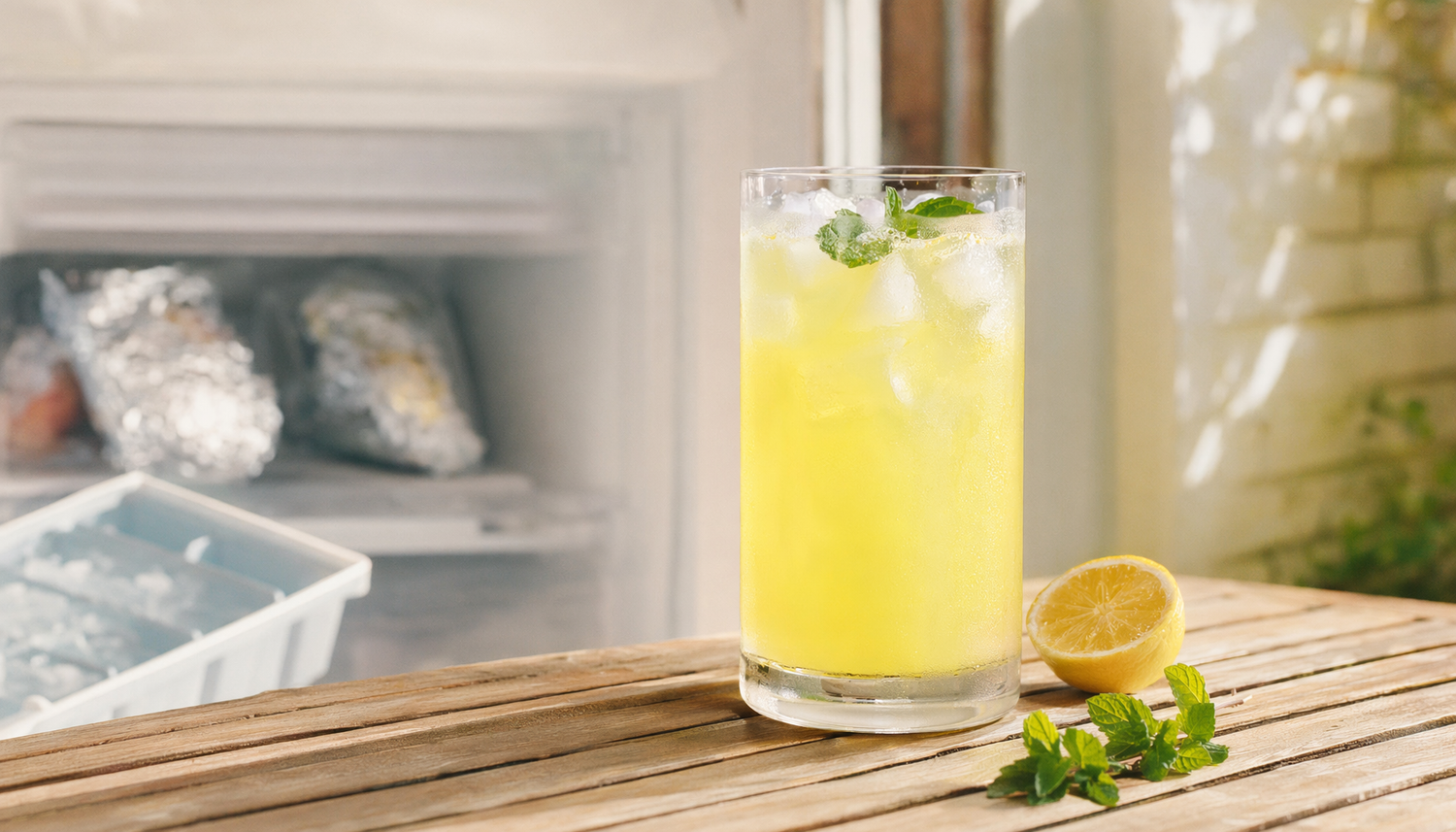
If your lemonade tastes fine until the ice hits the glass, the ice is usually the problem. Freezer-flavored lemonade usually comes from odor absorption, stale storage, poor bin handling, or water issues that become more noticeable when frozen.
You pour a fresh glass, add a few cubes, and suddenly the drink tastes like last week’s leftovers or stale freezer air. A new batch of properly stored ice often fixes that within a day, which makes this a storage and maintenance problem more often than a recipe problem. The goal is to figure out whether the bad taste is coming from the water, the appliance, or the way the ice is being held before serving.
Why Lemonade Exposes Bad Ice So Quickly

Freezer odors show up fast in mild drinks
Lemonade is especially good at revealing bad ice because it is light, acidic, and served cold. That means stale cubes, old freezer air, or a slightly musty bin can stand out immediately instead of hiding behind strong coffee, soda syrup, or alcohol.
Some off-flavors start before the cubes ever reach the bin. In drinking water, metallic taste can come from iron and copper, while earthy or musty taste-and-odor problems are often tied to geosmin and MIB, compounds people can detect at extremely low levels. When that water becomes ice, those flavor problems do not disappear, and cold lemonade can make them easier to notice.
“Safe to drink” and “pleasant to drink” are not the same thing
Municipal water can also taste odd for temporary reasons that have nothing to do with your lemon recipe. A taste-and-odor episode caused mainly by rapid reservoir turnover is one example of how water can remain safe while still producing unpleasant ice. If your ice suddenly tastes earthy, musty, or flat for a few days, a seasonal water change may be part of the story.
That is also why two cubes made from the same tap water can taste different after a week in storage. Fresh ice may seem neutral at first, while older cubes pick up freezer smells, dry out, and add a dull, stale note that makes lemonade taste less bright.
How to Tell Whether the Problem Is the Water, the Machine, or the Storage Bin

Start with the water source
If your tap water recently changed in taste, smell, or appearance, check that first. Public health guidance notes that water used for drinking, food preparation, or ice can become contaminated, especially for private wells after flooding, maintenance, or runoff events. In a home kitchen, RV, cabin, or roadside setup, that means bad-tasting ice may be a water issue before it is an appliance issue.
A quick test is to freeze two small batches side by side: one with your usual water and one with bottled or filtered water. If the bottled-water batch tastes clean, your machine or freezer is probably not the main culprit. If both batches taste bad, the bin, tray, or storage method deserves attention next.
Then check the parts that touch ice
When the water itself seems normal, poor ice handling and storage practices are a common cause of contamination. That applies just as much to a home freezer drawer or portable ice maker basket as it does to a light-business dispenser. An uncovered bin, a scoop left inside the machine, food spills near the ice, or old cubes sitting too long can all transfer off-odors into the next glass of lemonade.
The pattern of the bad taste often helps. A metallic or chemical note points more toward water quality, filtration, or plumbing. A musty, plasticky, or stale-leftovers taste points more toward odor absorption in storage. A sour or mildew-like smell that comes back quickly after dumping the ice usually means the basket, bin, gasket, or ice-contact surfaces need cleaning.
Different appliances fail in different ways
Refrigerator ice makers tend to pick up freezer odor because the cubes stay in place for days. Portable batch-style ice makers often produce decent-tasting fresh ice but can create soft, wet cubes that clump and refreeze if they sit too long in the basket. A car refrigerator or travel cooler can protect finished ice during transport, but only if the cubes are sealed and kept away from food odors, meltwater, and frequent warm-air exposure.
For new appliances, a faint plastic or manufacturing smell can sometimes fade after cleaning and several discarded batches. If the odor stays strong after that, it is usually time to look at the water source, filter condition, or storage environment rather than assuming the lemonade recipe needs adjustment.
Storage Habits That Stop Odor Absorption and Clumping

Cover the ice and rotate it like any other food item
A tightly fitted cover on ice storage equipment matters because ice absorbs surrounding smells far more easily than most people expect. In practical home use, that means moving finished cubes from an open tray or basket into an airtight container or sealed freezer bag as soon as they harden. For a portable unit, it also means not treating the machine basket like long-term freezer storage.
Old ice is a common reason lemonade tastes like the freezer instead of lemon. A simple rule is to date stored bags and rotate them weekly for best flavor. For parties, brunch service, or office drink stations, use first-in, first-out rotation and keep a fresh batch separate from older reserve ice so the best-tasting cubes end up in the glass.
Prevent clumping without trapping bad smells
Clumping usually starts when fresh, wet cubes are sealed too early or exposed to repeated warming and refreezing. A practical fix is to let new cubes firm up for 30 to 60 minutes in the coldest part of the freezer before bagging them. That short hardening step helps reduce surface moisture, which lowers the chance that a full bag turns into one solid block.
Smaller batches also help. Instead of storing one large container that gets opened over and over, split ice into several meal- or event-size bags. In a home freezer, that limits odor exposure. In a travel setup, it makes it easier to move only what you need into a cooler or car refrigerator while keeping the reserve sealed and colder.
Separate “drink ice” from “cooler ice”
If the goal is clean-tasting lemonade, drink ice should be treated differently from ice used to chill cans, seafood, or picnic food. Keep beverage ice in sealed bags or covered containers and keep it out of direct contact with cooler meltwater. If you need fast chilling for bottled drinks, loose ice around the bottles works well, but it shortens cube life and makes that ice a poor choice for glasses later.
That trade-off matters for beach days, road trips, and pop-up service. One cooler can be optimized for cold storage, while a second container protects the appearance and flavor of drink ice. Using the same wet, half-melted ice for both jobs is convenient, but it is one of the fastest ways to turn fresh lemonade flat and freezer-like.
Cleaning Routines for Home, Travel, and Light-Business Appliances
wash ice maker basket scoop gasket soapy water cleaning
Clean the surfaces that actually touch water and ice
The most reliable reset is to discard all stored ice, empty the reservoir or bin, and clean the parts that contact water or cubes. Local health guidance states that removable ice-contact parts should be washed, rinsed, and sanitized, and that storage containers and scoops should be smooth and easy to clean. Even at home, that translates into a useful standard: no cracked trays, no grimy scoops, and no bins with residue in the corners.
For a countertop ice maker, clean the water reservoir, basket, lid seal, and any removable scoop or drain surfaces. For a refrigerator ice maker, dump the bin, wash it, wipe the compartment, and check for old spills or freezer burn nearby. For a beverage station or small self-contained commercial unit, put the cleaning schedule on the calendar rather than waiting for the ice to taste bad.
After water disruptions, clean first and discard the first ice
When storms, pipe repairs, or boil-water notices affect your water supply, do not assume the next batch of ice is ready to use. Federal guidance says properly disinfected water should be used for prepared drinks and ice, and it also notes that boiling or disinfecting does not remove heavy metals, salts, or most chemicals. In other words, a boiled-water fix may help with microbes, but it will not solve every taste problem.
For home and light-business use, the practical sequence is straightforward: stop making ice, dump the old batch, flush the water supply if local guidance says to do so, clean the machine, and discard the first new batch after restarting. That matters for portable units after campsite hookups, for car-based setups after filling from an unfamiliar source, and for commercial-style machines after any supply interruption.
Filters and airflow matter more than people think
A clogged or overdue filter can let more sediment, chlorine flavor, or odor through to the cubes. At the same time, a machine tucked into a hot or poorly ventilated corner may soften stored ice faster, which increases melt-refreeze clumping and stale flavor pickup. The result is often a machine that still “works,” but produces ice that does not hold up in a simple drink like lemonade.
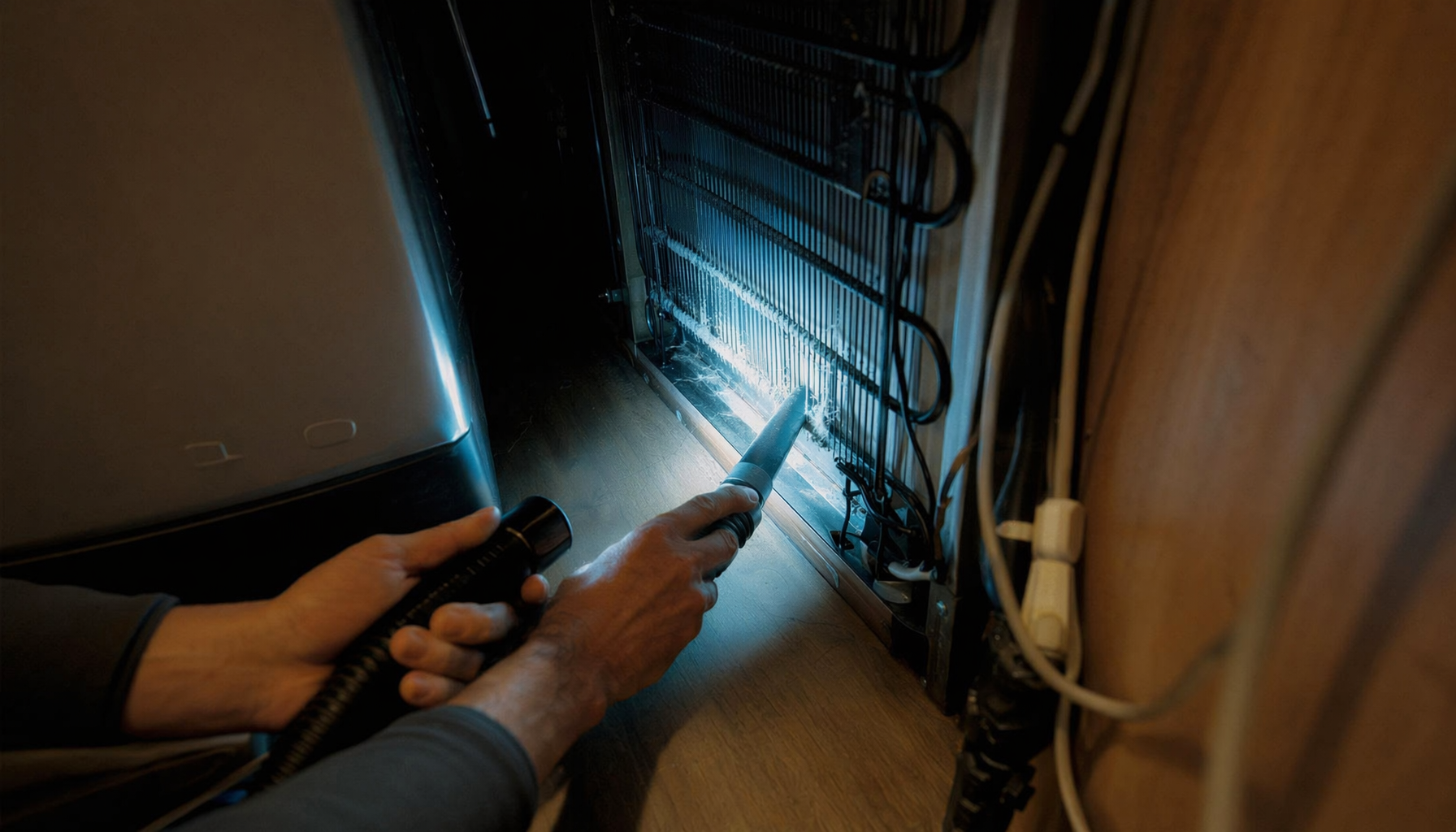
For routine use, pair cleaning with basic operating checks. Replace filters on schedule, keep the surrounding area free of strong odors, and avoid storing onions, fish, or open leftovers near ice storage. Those small steps do more for taste than chasing new lemonade recipes every time a batch of cubes turns strange.
Planning Ice Inventory for Parties, Transport, and Backup Use

Make only as much long-hold ice as you can store well
For recurring events or light-business service, ice-machine efficiency varies by machine type and harvest rate, which is a reminder that more production is not automatically better if the extra ice will sit around absorbing odors. Fresh turnover is usually better than oversized storage when drink flavor matters. A modest setup that lets you rotate sealed batches often produces better-tasting ice than a larger stash left in an open bin for days.
For a backyard lemonade station serving 12 to 16 guests, a practical target is about 1.5 to 2 lb of drink ice per person if you also need some reserve for pitchers or a display tub. Make part of that supply 2 to 3 days ahead, store it sealed, and top it off with a fresh batch the morning of the event. That way, the oldest ice is not what ends up in the glass.
Plan transport separately from production
Transport is where good ice often goes bad. A portable ice maker may be useful for making extra batches before departure, but most units are not meant to hold finished cubes for long-term frozen storage. Once the cubes are hard, move them into sealed bags and into a proper freezer, chest freezer, or well-insulated cooler for the trip.
If you are using a car refrigerator, match the strategy to the appliance. A freezer-capable unit can hold sealed bags of finished ice during the drive. A beverage-only chiller should carry cold drinks and backup lemons, while the ice itself travels in an insulated cooler. Trying to do both jobs in one warm, frequently opened compartment usually costs you flavor and cube quality.
Keep backup water on hand when conditions are uncertain
If weather, outages, or travel are part of the plan, store at least 1 gallon of water per person per day for 3 days. For lemonade service, that is not just emergency advice; it is a good inventory rule for any setup where the water source may change unexpectedly. Sealed backup water lets you protect both the drink and the ice plan when a campsite tap, rental unit, or temporary event hookup turns out to taste off.
That separation also makes troubleshooting easier. If your backup water makes clean ice and the main source does not, you know the problem is upstream of the appliance. If both taste bad after storage, look at the bin, bags, cooler, or freezer environment next.
FAQ
Q: Why does the ice taste bad when the dispenser water tastes normal? A: Water goes straight from the tap to the glass, but ice sits in a bin, tray, or freezer for hours or days. During that time, it can absorb food odors, stale air, or residue from the storage area, so the cubes taste worse than the water they came from.
Q: Can boiling water fix freezer-tasting ice? A: Not usually. Boiling may help when you need emergency disinfection, but it does not remove metals or most chemical contaminants, and it does nothing for old cubes that already absorbed freezer odors. If the taste is already in the stored ice, dump it, clean the appliance, and remake the batch with verified clean water.
Q: How often should I throw out stored ice? A: For best flavor, rotate home ice at least weekly and discard it sooner if the freezer contains strong-smelling food, the cubes look frosty or shrunken, or the bin has been opened often. Before a party or service day, use older ice for coolers and make a fresh batch for the drinks.
Practical Next Steps
If lemonade tastes like the freezer, start by assuming the ice is guilty until proven otherwise. A single reset usually solves it: dump the old cubes, clean the ice-contact surfaces, make one fresh batch with good water, and store that batch sealed.
- Toss all existing ice and clean the bin, tray, scoop, and nearby storage area.
- Freeze one test batch with filtered or bottled water and keep it in a sealed container.
- If the taste improves, the issue was storage, old ice, or your usual water source.
- If the taste does not improve, inspect the filter, plumbing, or water supply before making more ice.
- For parties, travel, or light-business service, keep drink ice separate from cooler ice and rotate smaller sealed batches instead of holding one large open supply.

Leave a comment
This site is protected by hCaptcha and the hCaptcha Privacy Policy and Terms of Service apply.