
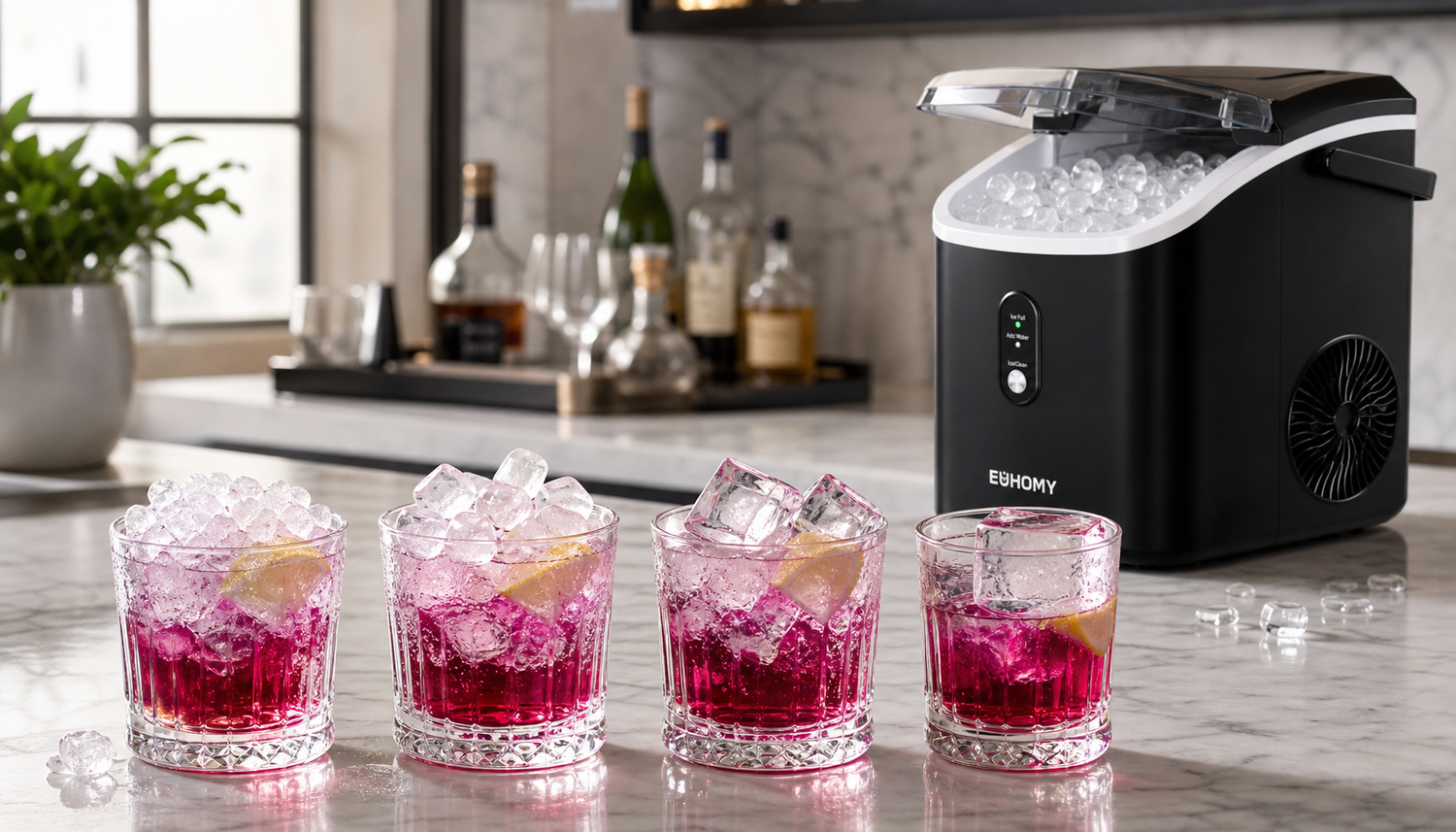
Ice shape changes sweetness mostly by changing how fast a drink chills and how quickly meltwater dilutes it. The sugar in the recipe stays the same, but your tongue, nose, and the ice in the glass can make it taste very different.
Your soda can taste crisp with one batch of ice and watered down with the next, even when you poured the same drink. In one controlled whiskey test, the biggest gap between large-format ice samples after 20 minutes was only about 0.1 fl oz of water, which is a useful reminder that sweetness shifts come from both temperature and dilution, not shape alone. This guide will help you choose the right ice type and cooling setup for home kitchens, road trips, break rooms, and light-business drink service.
Why Sweetness Changes Before and After the Ice Melts

Temperature changes flavor first
Temperature changes aroma release and perceived sweetness, so a colder drink can taste less sweet even when the sugar level has not changed. Cold also mutes aroma, and aroma is a big part of what people register as flavor. That is why a very cold cola may seem drier and sharper than the same cola served only slightly chilled.
Dilution changes flavor second
Once the ice starts melting, water lowers the concentration of sugar, acid, and flavor compounds in the glass. That matters most in drinks with a narrow balance point, such as iced coffee, sweet tea, juice spritzers, and simple mixed drinks. In spirits and cocktails, some dilution can help by softening harsh edges, but too much makes the drink taste thin instead of balanced.
Timing is why the same drink keeps changing
Ice is an ingredient because it does two jobs at once: cooling and adding water. The first few minutes may make a drink taste cleaner and more refreshing; the next 10 to 15 minutes can flatten sweetness, reduce body, and throw off carbonation or acidity. If you serve drinks over ice often, the goal is not “no melt at all.” The goal is controlled melt for the kind of drink you are serving.
How Ice Shape Affects Melt Rate

Surface area and density matter more than shape alone
Larger, denser ice melts more slowly because it exposes less surface area for its volume and usually contains fewer weak, airy spots. That is why large cubes and solid gourmet pieces usually outlast small, hollow, or fractured ice in the same glass. Density matters because trapped air and impurities make ice less solid, which tends to speed melting.
Bullet, cube, and nugget ice behave differently in a real glass
Bullet ice is typically cloudy and faster-melting than clear ice, so it cools a drink quickly but tends to add water sooner. That can work well for casual iced tea, sports drinks, or fast-consumed soda, especially from a portable ice maker at home, in an RV, or at a tailgate. Nugget ice is softer and chewable, usually about 3/8 to 1/2 inch across, and it absorbs drink flavor well, but that same porous texture means it melts faster and can flatten carbonated drinks sooner.
The effect is real, but often smaller than people expect
A controlled test of ice shape and clarity found that after 20 minutes, the biggest difference between the whiskey samples was only about 0.1 fl oz of added water in a 2 fl oz pour. That does not mean shape is irrelevant. It means the biggest swings in sweetness often come from serving time, ice quantity, starting drink temperature, and whether the ice is solid and clean, rather than from cube-versus-sphere debates alone.
Which Ice Type Works Well for Different Drinks

Carbonated drinks need slower melt and less trapped air
For soda, sparkling water, and spritz-style drinks, clear cubes or larger solid pieces are usually the safest choice. They slow dilution and help preserve the drink’s bite longer than nugget or soft bullet ice. If you are stocking a beverage cooler for a party or office, pre-chilling cans and bottles lets you use less ice in the glass, which protects both fizz and sweetness.
Coffee, tea, juice, and flavored drinks benefit from practical cooling speed
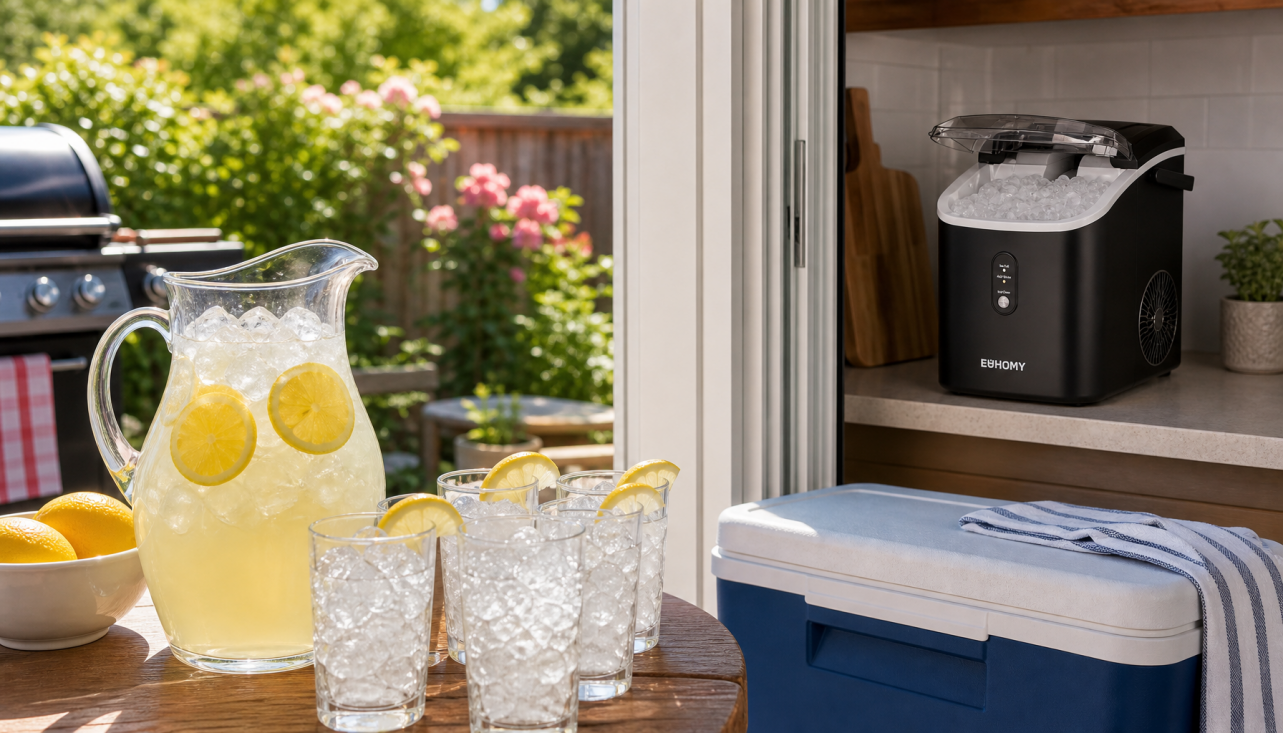
Portable ice makers can make a batch in about 7 to 15 minutes, which is convenient when you want quick ice for iced coffee, lemonade, or sweet tea. In that use case, bullet ice is often perfectly acceptable because those drinks are usually consumed faster and can handle a little melt without falling apart. If you want to keep sweetness more stable, start with the drink already cold, then add just enough ice to hold temperature rather than using the ice to do all the cooling.
Spirits, cocktails, and chewable-ice drinks need different trade-offs
Large cubes are recommended for slow-sipping spirits, while nugget ice suits texture-focused drinks. A bourbon pour, old fashioned, or tequila over ice usually benefits from one large cube because it chills steadily without rushing dilution. A fountain-style cola, rum drink, frozen lemonade, or soft-texture iced beverage can be more enjoyable over nugget ice because the chewable texture is part of the experience, even though the drink will usually dilute faster.
Does Clear Ice Matter for Taste, or Just for Looks?

Clear ice helps when purity and consistency matter
Cloudy refrigerator-style ice can carry trapped minerals, gases, or odors, which is one reason clear ice is valued in better drink service. In a simple whiskey, sparkling water, or lightly flavored drink, off-tastes show up more easily. For that reason, filtered water and a clean machine matter more than many people realize, especially in home bars, guest suites, and small hospitality setups.
Clarity improves density and presentation, but not by magic
Clear ice is made more slowly to reduce impurities and trapped air, so it is usually denser and slower-melting than typical cloudy bullet ice. Still, clarity should be treated as one quality factor, not a single-step fix. If the drink starts warm, the glass is warm, or the ice bin has partially melted and refrozen the batch, even beautiful clear cubes can still leave you with a flatter, less sweet drink than expected.
For many users, clean water and solid ice beat chasing perfection
The most practical upgrade is often not a specialty clear-ice routine. It is filtered water, regular descaling, a clean bin, and choosing an ice shape that matches the drink. That advice is especially relevant for Euhomy-style home and travel use, where convenience matters: a reliable countertop or portable unit with clean, fresh ice will usually improve real-world drink quality more than an elaborate two-day clear-ice workflow.
The Appliance Setup Matters Before the First Sip

Portable ice makers are strongest when you need fast batches, not long-term storage
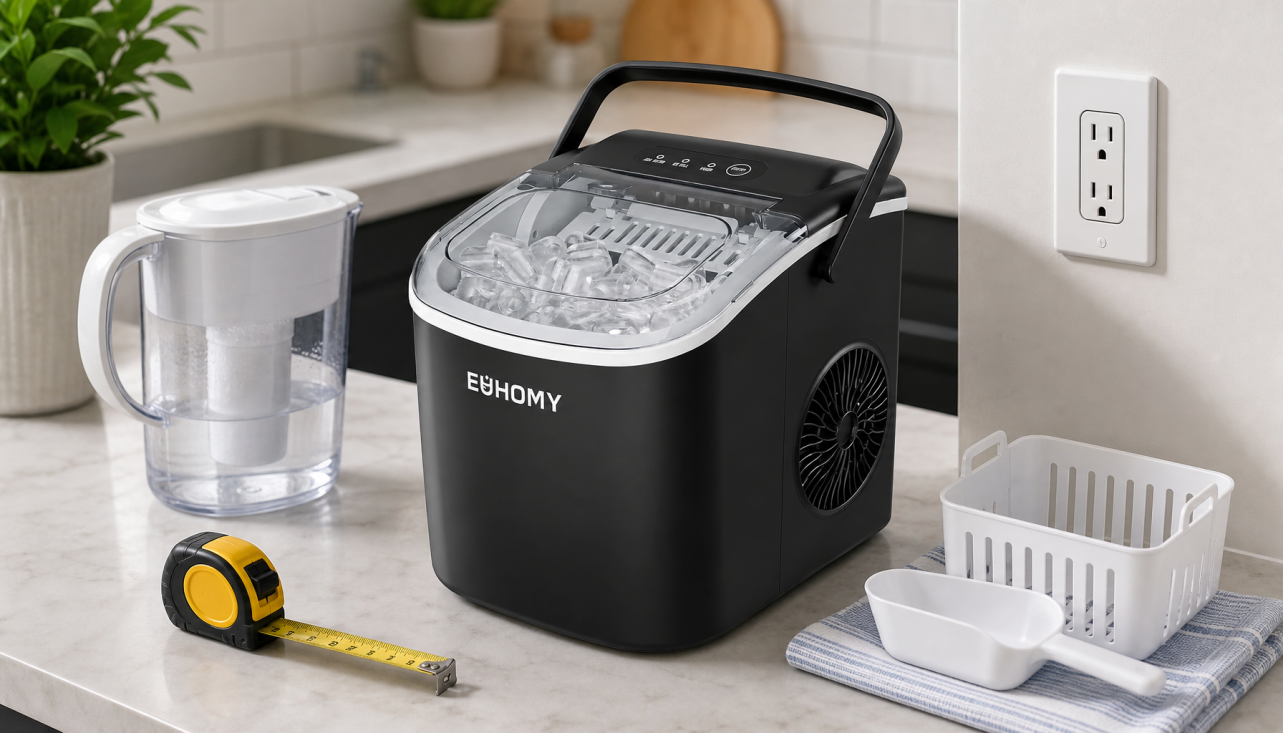
Portable ice makers are built for quick, no-plumbing ice production, often up to about 35 lb per day with around 2 lb of storage. That is useful in apartments, RVs, cabins, boats, and party setups where you want fresh ice on demand. The trade-off is that many countertop units do not hold ice fully frozen for long, so the right routine is to use the batch soon or transfer it to a freezer if you are serving drinks over several hours.
Beverage coolers and car refrigerators reduce the need for dilution
Pre-chilling drinks reduces how much ice you need, which is one of the easiest ways to preserve intended sweetness. This is where beverage coolers and car refrigerators earn their keep: when cans, mixers, juice, and bottled coffee start cold, the ice in the glass only has to maintain temperature instead of dragging the liquid down from room temperature.
For travel and light-business use, steady cold is often better than extra ice
Recent testing of electric car coolers found that some compressor-style models reached 32°F from the mid-70s in about 54 minutes. For road trips, event setup, food trucks, pop-up beverage service, or mobile detailing waiting rooms, that matters because cold storage protects flavor without adding meltwater. In a small office, cafe, or hospitality setting, a commercial ice maker should be matched to both volume and ice style, since oversized production wastes water and energy while the wrong shape makes drinks less consistent.
FAQ
Q: Does faster-melting ice always make a drink taste less sweet?
A: Usually yes over time, because faster melt lowers sugar concentration, but the first effect can be the opposite of what people expect: a very cold drink may already taste less sweet before much water has melted into it. That is why temperature and dilution both change flavor.
Q: Is nugget ice bad for soda?
A: Not bad, but it is a trade-off. Nugget ice is soft, chewable, and flavor-absorbing, which many people like, yet it usually melts faster and can make carbonated drinks go flat sooner than solid cubes.
Q: Should I buy a clear-ice machine if I mostly drink iced coffee and sweet tea?
A: Probably not unless presentation matters to you. For those drinks, a fast countertop or portable unit with filtered water is often the better value, while clear ice makes more sense for spirits, sparkling drinks, or guest-facing service where clarity and slower melt are part of the experience.
Practical Next Steps

Choose the appliance around the drinks you serve most often, not around a single ideal ice shape. If your priority is quick everyday ice for coffee, tea, juice, and mixed family drinks, a portable ice maker is usually the practical fit. If your priority is preserving flavor in canned drinks, mixers, and travel beverages, a beverage cooler or car refrigerator cuts dilution better than simply adding more ice.
For the glass itself, use large solid cubes for spirits and sparkling drinks, bullet ice for fast casual refreshment, and nugget ice when texture matters as much as taste. Then protect the result with filtered water, regular cleaning, and pre-chilled beverages whenever possible.
References
- 7 Tips for Buying a Portable Ice Maker
-
Ice - How Much Does Shape and Clarity Really Matter?
- How Temperature Affects the Flavor of Your Drink
- Commercial Ice Maker and Ice Machine Selections
-
Ways to Keep Drinks Cold Without Watering Them Down
- Taste and See the Difference with Home Ice
-
What Kind of Ice Do Restaurants Use?

Hinterlasse einen Kommentar
Diese Website ist durch hCaptcha geschützt und es gelten die allgemeinen Geschäftsbedingungen und Datenschutzbestimmungen von hCaptcha.